How A Roofer Can Help Make Your Home More Energy Efficient
Energy efficiency is a vital component in reducing household utility costs and minimizing environmental impact. The roof is a critical part of a home's energy efficiency strategy, serving as the primary barrier between outdoor elements and the interior environment. By selecting the right materials and technologies, homeowners can significantly improve their home's energy efficiency. Working with a skilled local roofer ensures you have expert guidance when evaluating energy-saving roofing upgrades, modern insulating materials, and advanced ventilation options.
Every element of your roofing system—from structural underlayment to reflective outer coatings—plays a direct role in regulating indoor climate. When conditioned air escapes through a poorly protected roof, the heating and cooling equipment must run longer cycles to compensate, leading to inflated utility expenses and unnecessary mechanical strain. A comprehensive approach to roof performance addresses heat transfer, airflow dynamics, and environmental exposure simultaneously, creating an efficient envelope that yields multi-season financial benefits.
Selecting Energy-Efficient Roofing Materials
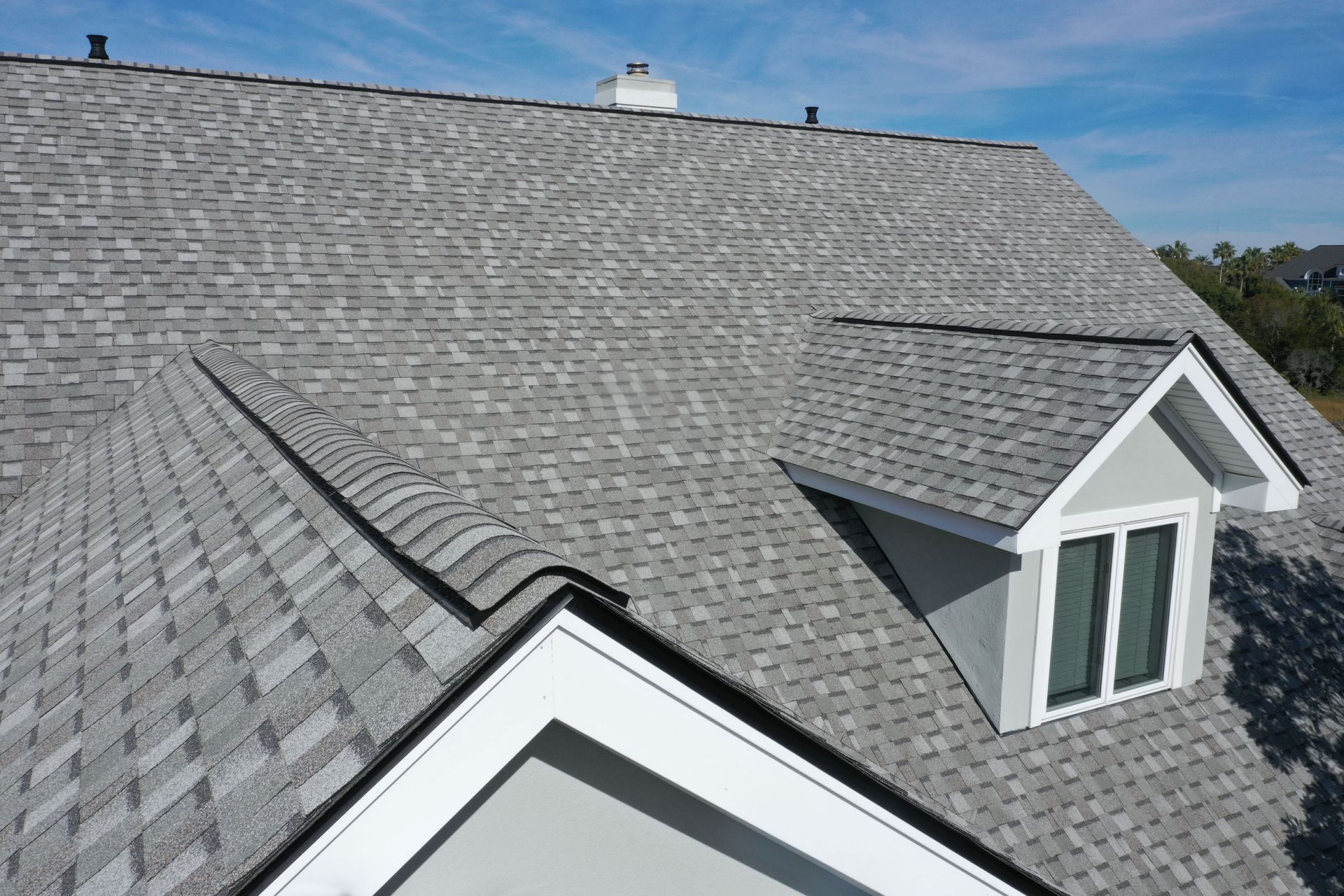
Choosing the right roofing material is essential for maximizing energy efficiency in a home. Materials like metal, tile, and solar shingles are popular among homeowners seeking utility savings. According to This Old House, metal roofing saves up to 40% in energy costs annually. Reflective roof coatings and cool roof technologies further prevent heat absorption by bouncing solar radiation away from your structure before it penetrates the attic space. Light-colored materials and compatible insulation systems also keep interior spaces comfortable during intense summer conditions.
Beyond traditional asphalt shingles, modern material innovations offer tailored thermal properties suited for varying climates and roof pitches. Tile roofing provides continuous natural air channels that dissipate accumulated heat, while synthetic composites mimic premium visual finishes while embedding UV-resistant polymers. Selecting optimal surface materials requires balancing localized thermal conditions with architectural requirements. A knowledgeable local roofer can analyze local climate factors to help you pick the best materials for long-term comfort and savings.
Reflective surface treatments can also be retrofitted onto existing roofing structures to enhance performative characteristics without requiring full deck replacements. These specialized coatings seal micro-fissures while substantially raising the solar reflectance index of traditional dark surfaces. By curbing peak radiant heat gain, cool roof applications reduce attic temperatures considerably during high-temperature months. Proper application requires precise surface preparation and compatibility testing, making professional consultation invaluable when selecting appropriate surface coatings.
Improving Roof Insulation Systems
Proper insulation reduces thermal transfer between your living space and the outdoors, maintaining steady interior temperatures throughout the year. High-performing options like fiberglass and spray foam offer exceptional resistance to heat flow, creating an effective barrier against external seasonal swings. Proper installation techniques prevent thermal bridging and ensure seamless coverage across the entire attic floor and structural joists. Attic ventilation also plays a direct role in preserving insulation quality over time by mitigating excess moisture build-up.
Thermal resistance varies across material compositions, requiring deliberate selection based on architectural configuration and geographic insulation targets. Continuous rigid board insulation offers uniform barrier performance suitable for flat or low-slope structures, whereas closed-cell spray foam expands into irregular structural crevices to deliver moisture resistance alongside thermal protection.A professional local roofer can conduct a thorough evaluation of existing insulation to determine optimal upgrades for maximum thermal performance.
Insulation degradation often occurs silently beneath roof decks due to subtle roof leaks or improper moisture management. When insulation absorbs ambient atmospheric moisture or rainwater intrusion, its thermal performance drops rapidly, creating hidden pathways for thermal loss. Professional evaluation involves checking material depth, inspecting vapor barriers, and identifying compromised zones before upgrading existing systems. Restoring damaged insulation ensures that your home retains conditioned air efficiently, preventing ambient temperature shifts between floor levels.
Ensuring Effective Roof Ventilation
Proper roofing ventilation expels trapped heat and circulates cool air to lessen the strain on heating and cooling systems. Installing ridge, turbine, or soffit vents creates balanced airflow throughout the attic space, allowing warm air to escape naturally as fresh intake air enters through lower soffit openings. Effective ventilation also manages internal humidity levels to prevent moisture accumulation, structural rot, and premature degradation of underlying decking. Expert installation guarantees that vents are positioned for peak air exchange without creating weather entry points.
Unbalanced ventilation systems often create localized negative pressure zones that pull air-conditioned living spaces into the attic cavity, compounding energy waste rather than preventing it. Achieving net-free airflow requires matching intake vent square footage precisely to exhaust capacity along the roof ridge line. In colder weather, adequate airflow prevents heat from accumulating beneath the roof deck, mitigating the freeze-thaw cycles that contribute to ice dam formation along gutter lines. Consulting a qualified local roofer helps establish a ventilation setup tailored to your home's layout.
Modern ventilation accessories, such as solar-powered attic fans and intake baffle inserts, further refine airflow management in challenging architectural designs. Intake baffles prevent blown insulation from clogging soffit vents, keeping intake channels clear across seasonal changes. Powered attic exhaust systems actively draw out high-temperature air during peak summer heat, maintaining lower ambient attic temperatures when passive ventilation reaches its thermal limit. Combining correct physical vent placement with strategic mechanical enhancements optimizes total system performance year-round.
Integrating Solar Roofing Technologies
Solar roofing solutions generate clean, renewable energy directly from your home's roof surface. Options range from sleek solar shingles to traditional panel arrays, each delivering long-term electricity savings and reduced carbon emissions. Successful integration requires careful planning regarding structural integrity, roof pitch, and sunlight exposure to ensure continuous output. Navigating these factors ensures maximum energy production and durability over time, transforming a passive shelter into an active power-generating asset.
Evaluating structural load capacity is a mandatory preliminary step before mounting solar equipment onto existing roof trusses. Solar arrays introduce dead weight and wind-uplift dynamics that require structural validation to ensure safety and code compliance. Additionally, underlying shingle layers must be in prime condition before installation, as replacing a roof beneath an active solar array requires unmounting and reinstalling equipment. Partnering with an experienced local roofer makes transitioning to solar power smooth and efficient while preserving structural warranties.
Integrated solar shingles offer a streamlined alternative to traditional rack-mounted panels, blending directly into standard shingle courses for a uniform visual profile. These dual-purpose building materials serve as weather-resistant outer cladding while simultaneously capturing light energy. Beyond direct power generation, elevated panel installations can provide secondary shading over underlying roof decks, reducing direct thermal absorption beneath the array footprint. Careful design alignment guarantees optimal sun angles while maintaining necessary access pathways for routine maintenance.
Maintaining Roof Integrity Through Inspections
Routine inspections identify minor wear and structural damage before they degrade your home's energy performance. Swiftly repairing leaks, clearing accumulated debris, and replacing damaged shingles preserves insulation integrity and reflective surface coatings. Utilizing a comprehensive checklist keeps your entire roofing system functioning reliably year-round, preventing unsealed gaps from leaking conditioned air into the open atmosphere. Consistent upkeep extends the lifespan of materials while maintaining low utility costs across every season.
Seasonal weather events bring severe wind, hail, and debris accumulation that compromise roofing systems. Organic debris retention along valley flashing creates standing moisture pockets that accelerate seal breakdown and shingle erosion. Flashing around chimneys, skylights, and plumbing stacks requires periodic inspection to ensure elastomeric sealants remain pliable and watertight. Catching hairline fractures in flashings early prevents water migration into surrounding structural framing and ceiling insulation layers.
Establishing an ongoing maintenance agreement provides structured protection through scheduled visual evaluations and minor preventative repairs. Professional technicians evaluate shingle adhesion, clear drainage pathways, re-seal exposed fasteners, and verify that ventilation openings remain unobstructed. Proactive maintenance preserves manufacturing warranties while providing documented proof of upkeep for insurance purposes. Scheduling routine maintenance with a trusted local roofer protects your investment for years to come.
Roofers offer essential expertise in enhancing home energy efficiency through materials, insulation, ventilation, solar integration, and ongoing maintenance. Making strategic updates to your roof delivers long-term financial savings while supporting broader sustainability goals and superior interior comfort. By addressing roof reflectivity, attic insulation depth, and proper ventilation balance, homeowners can lower monthly operational expenses while extending the operational life of their entire structure. Ready to optimize your roof's performance and cut down on utility expenses? Contact Boxwood Roofing and Restoration LLC today to schedule a consultation!
Share On: