Quick answer
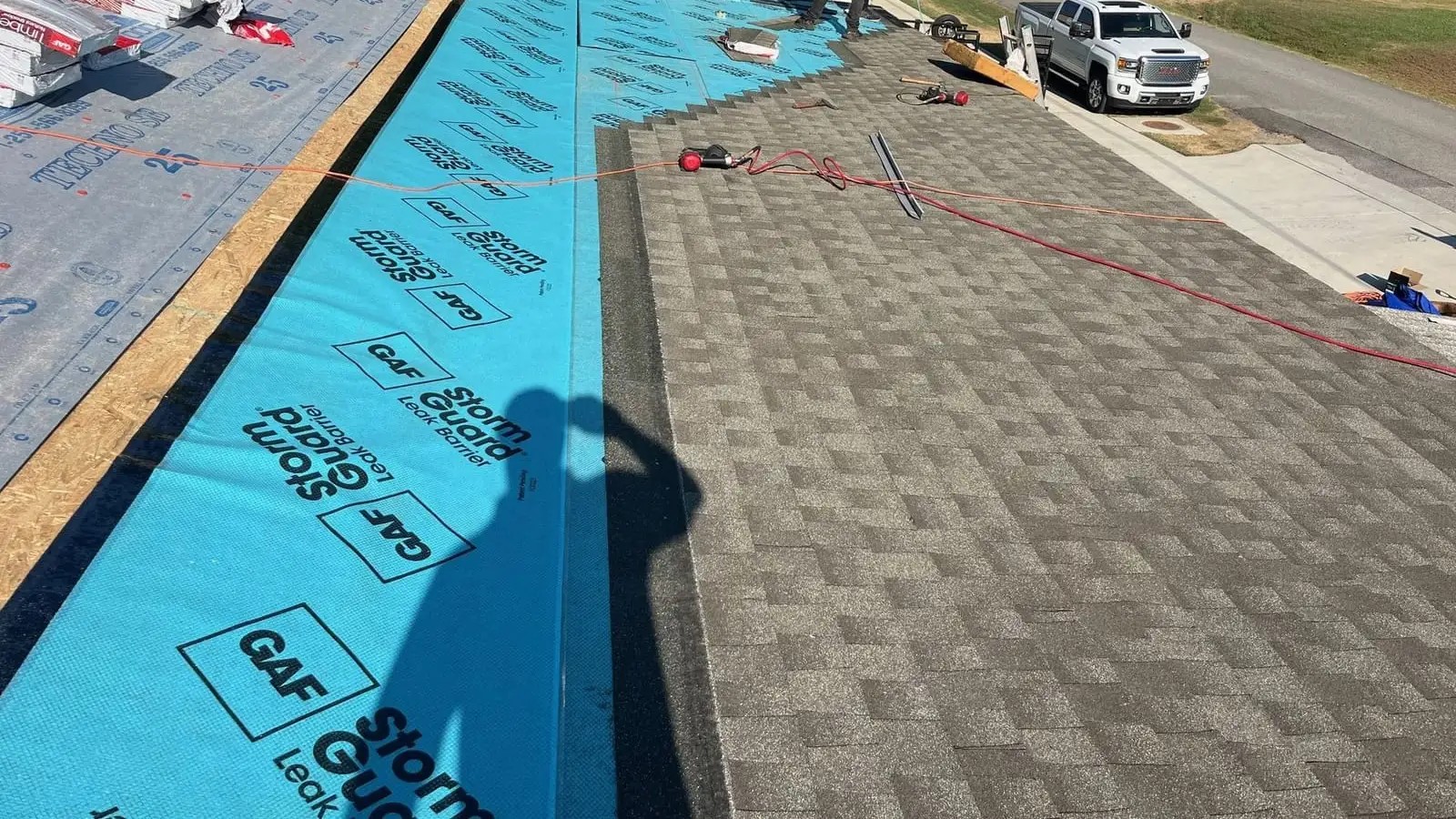
A new asphalt shingle roof on a typical single-family home usually costs somewhere between $8,000 and $20,000 or more. The price depends mostly on roof size (measured in “squares” of 100 square feet), steepness, how many old layers are torn off, decking repairs, and the shingle you choose. Metal roofs usually cost noticeably more. A free written estimate is the only way to get a real number for your home.
Key takeaways
- Roofers price by the square, which is 100 square feet of roof surface. That’s not the same as your home’s square footage.
- Steep roofs, multiple layers, and lots of valleys or dormers add labor and cost.
- Rotted decking is the most common surprise cost. Ask how it will be priced before work starts.
- Compare estimates line by line, not just by the total.
“How much is a new roof?” is the first question almost every homeowner asks, and the honest answer is that it depends on your roof. Here’s what drives the price, ballpark ranges, and how to read an estimate so you can compare them fairly.
What does a new roof cost on average?
For a typical single-family home in North Alabama with architectural asphalt shingles, many homeowners see total costs somewhere in the $8,000 to $20,000+ range. Small, simple, low-slope roofs fall at the low end. Large, steep, or complex roofs land at the high end or above.
These numbers are only for budgeting. Material prices change, and every roof is different. The only accurate number is a written estimate based on measuring your actual roof.
How do roofers price a roof?
Roofers price by the square, which is 100 square feet of roof surface. The price per square includes materials, labor, tear-off, and disposal. Then adjustments are made for things that make the job harder. The main factors:
1. Roof size
More squares means more material and labor. Your roof is bigger than your floor plan because of the pitch and overhangs.
2. Pitch (steepness)
Steep roofs are slower and more dangerous to work on and need extra safety equipment, so they cost more per square than a walkable roof.
3. Complexity
Valleys, dormers, hips, skylights, chimneys, and multiple roof levels all add cutting, flashing, and time.
4. Tear-off and layers
Removing one layer of old shingles is standard. Two or three layers mean more labor and more dumpster weight. Tearing off down to the decking is the right way to do it, because it lets the roofer find and fix rot.
5. Decking repairs
Rotted or soft plywood or OSB has to be replaced before new shingles go on. You can’t know how much until the old roof is off, so a good estimate states a price per sheet for any replacement decking.
6. Materials
Shingle line, underlayment type, ice and water shield, ridge vents, drip edge, and new flashing all affect price. Upgrading from 3-tab to architectural shingles costs a bit more but lasts longer and handles wind better. Metal roofing costs substantially more up front. See our breakdown of how long each roofing material lasts.
7. Ventilation
Adding or correcting attic ventilation during the replacement adds some cost but protects your new shingles and can help keep cooling bills down.
What should a roofing estimate include?
A solid written estimate should clearly list:
- Roof size in squares
- Shingle brand and product line
- Underlayment and leak barrier in valleys and at penetrations
- Tear-off, number of layers, and disposal
- How rotted decking is priced
- Drip edge, flashing, pipe boots, and vents being replaced
- Cleanup, including a magnet sweep for nails
- Workmanship warranty length and manufacturer warranty
- Permit, if one is required where you live
If two bids are far apart, line them up item by item. The lower one usually leaves something out.
How can you keep the cost down without cutting corners?
- Don’t wait too long. A worn roof that keeps leaking leads to rotted decking, and that adds cost to the replacement.
- Check your insurance first if there has been recent hail or wind. Storm damage may be covered. See does insurance cover roof damage?
- Choose architectural shingles over premium designer lines unless you want a specific look. They offer the best value for most homes.
- Ask about financing so you don’t have to choose a cheaper, lower-quality job to pay cash.
Can you finance a new roof?
Yes. Boxwood offers roof financing through Regions Bank, including same-as-cash and low-monthly-payment options, so you can take care of a failing roof now.
Get a free, written estimate
The fastest way to know what your roof will cost is to have it measured. Boxwood provides free, detailed written estimates for roof replacement in Hartselle, Decatur, and throughout Morgan County. We use Owens Corning shingles, tear off down to the decking, and back every full replacement with a 5-year labor warranty.
Frequently asked questions
How do I figure out how many squares my roof is?
One roofing square is 100 square feet of roof surface. A roof is usually larger than the home’s floor area because of pitch and overhangs, so a 2,000-square-foot house often has a roof of roughly 22 to 30 squares. A roofer will measure it exactly, often with satellite measurement software and an on-site check.
Will insurance pay for a new roof?
If your roof was damaged by a covered event like hail or wind, your homeowners policy may pay for repair or replacement, minus your deductible. Insurance does not pay for a roof that simply wore out with age.
Can I finance a new roof?
Yes. Many roofing companies offer financing. Boxwood offers financing through Regions Bank, including a same-as-cash option, so you can replace a failing roof now and pay over time.
Why do roofing estimates vary so much?
Estimates differ because of materials (shingle line, underlayment, ventilation), what’s included (tear-off, disposal, drip edge, new flashing, permits), how decking repairs are handled, and the contractor’s labor warranty and insurance. The cheapest bid often leaves something out.
About the author
Jon Berry owns Boxwood Roofing & Restoration, a licensed, family-owned roofing contractor in Hartselle, AL, serving Morgan County homeowners since 2017.